Ashton Shaw
Specialist Psychology Services
Working with Adults, Children, Adolescents and Families To Understand & Overcome Mental Health Difficulties
Director & Clinical Lead
Dr Kerry Ashton-Shaw; Consultant & Chartered Clinical Psychologist, BSc. (hons) M.Sc., D.Clin.Psych., C.Psychol., AFBPsS

We work with adults, children, adolescents and their families helping people overcome a wide range of difficulties. We understand mental health difficulties as normal human reactions to our lives and experiences.
We do not agree with the medical model of mental health - including the use of 'disorder' to describe understandable responses to life experiences.
We can help with feeling low in mood or depressed, feeling anxious or scared, feeling overwhelmed or confused, seeing or hearing things that others can't, feeling worthless and unlovable or finding relating to other people scary or difficult.
We work with victim survivors of abuse including domestic abuse, coercive control, financial abuse, sexual abuse and emotional abuse.
Dr Ashton-Shaw has a special interest in adoption and fostering support, Developmental and Complex Trauma. She works with a range of therapeutic approaches tailored to suit each individual client and situation.
Dr Ashton-Shaw has completed The Neurosequential Model of Therapeutics ™ (NMT) Training Certification through the Phase I level. For more information on NMT click here.
In previous NHS posts Dr Ashton-Shaw has supported the Doctorate in Clinical Psychology Programmes at Liverpool, Lancaster & Manchester Universities. Offering trainee clinical psychologists placements and lecturing as part of the child and adolescent academic programmes.
She appeared as the on-screen expert on C4s Britain's Biggest Hoarders. You can read her blog about it here.
Dr Ashton-Shaw has worked with the Family Stability Network and ParentKind. Follow the links to have a look at her articles about relationships and relationship education.
Training Services for Primary and Secondary Schools
Attachment in the Classroom
Do you know students who seem to continually push others away? Or students who you hardly seem to notice until their emotions explode in the classroom? Have you worked with young people who seem so anxious that they are unable to focus or reach their true potential? Or seem to spend all their time and energy disrupting others leaving you exhausted and questioning your own abilities? Then read on ...
Attachment Theory is the fundamental theory of child development, encompassing the child’s understanding of ‘who they are’ and their understanding of relationships with others. The 'Attachment in the Classroom' training package introduces trainees to Attachment Theory and discusses the complex nature of attachment relationships in school life and the links between attachment and learning. As educators we know the importance and power of the relationship between the student and teacher and the importance of the students' understanding of themselves in relation to their ability to learn, develop and achieve. This package utilises Attachment Theory to explain how individual children develop their understanding of themselves and relationships with others and how this understanding may help or hinder their learning career.
Attachment in the Classroom offers a developmental perspective on these and other relational difficulties within the classroom. Your trainer will offer ideas and advice on managing relational difficulties and offer the opportunity to discuss individual cases.
Training Outcomes
Gain an understanding of Attachment Theory and its importance in a child’s ability to learn and develop
Learn about your own ‘attachment style’ and how this can impact on teaching, relationships and how you understand yourself
Develop skills in managing ‘difficult’ students
Develop new understandings of students behaviour and motivations
Decrease stress; as we gain knowledge and understanding we can better manage classroom situations and student relationships and our behavioural and emotional responses to them
Corporate
Problems such as stress, anxiety and depression can arise due to many factors but these issues can soon become exacerbated through a lack of mental health and wellbeing support in the workplace.
Workplace wellbeing, stress management and good mental health are vital for an effective and motivated business environment.
Recent NHS data suggests that one in three 'sick notes' will be regarding a mental health issue. One-in-four adults will experience a mental health condition in any given year and mental ill health at work is estimated to cost UK employers £26 billion each year.
Frequently Asked Questions
What is Clinical Psychology?
'Clinical Psychologist' is a protected title reserved for those who have undergone a specific doctoral level of training.
Clinical Psychologists have had to prove their clinical skills with clients and also their knowledge through examinations in:
- at least three talking therapies
- neuropsychology
- child and adolescent mental health
- adult mental health
- older adult mental health
- the range of psychiatric disorders
- the full range of complexity from mild to in-patient care
- different ways of reducing distress and improving well-being
(individuals, families, groups etc.)
A Chartered Clinical Psychologist has completed British Psychology Society-recognised education and training of at least six years' duration and has demonstrated knowledge, skills and autonomous practice to professional doctorate standard.
Whilst Clinical Psychologists will specialise after training, they have an extensive foundation to draw upon. This is helpful as people rarely fit neatly into one box or need exactly the same approach. Instead a 'formulation' is used which is unique to that person and forms a completely bespoke way of helping.
What are your Qualifications?
In my previous NHS role, I was the Principal Clinical Psychologist for a specialist Child and Adolescent Mental Health Service (CAMHS). I have a BSc. (hons) in Psychology and in Business Administration & Marketing; an MSc. in Health Psychology; and a Clinical Psychology Doctorate from the University of Liverpool.
I am accredited with the Health and Care Professionals Council (HCPC) and a Chartered member of The British Psychological Society (BPS). I am an Associate Fellow of the BPS, member of the BPS Division of Clinical Psychology and member of the BPS Division of Mathematical, Statistical and Computing Psychology Section. I am also a full member of the Association of Clinical Psychologists UK (ACP-UK), EMDR UK & Ireland and The Association of Child Psychologists in Private Practice (ACPiPP).
What is Your Professional Background and Experience?
I have worked as a psychologist in the NHS since 2006 and then in private practice since 2015. I specialise in working with adults, children, adolescents and families and have a special interest in Developmental Trauma. In my NHS roles I have supervised and trained other clinicians from a wide range of backgrounds, held responsibilities in clinical leadership and service planning. Since transitioning to private practice I have appeared on C4, published blog articles with the BPS, and am constantly striving to keep my knowledge and skills up to date through training, supervision & research.
I have worked in many clinical settings including High Secure Psychiatric Hospitals, Specialist Child and Adolescent Mental Health Services (CAMHS), Learning Disability Medium Secure Unit, and residential support.
I am trained in several evidence-based therapeutic models and tend to use an integrated approach tailored to fit each client and situation. I focus on developing a good relationship with my clients to enable them to engage with the model that best fits them. If you would like some additional information, some of the specific therapies I am trained in are summarised in the link below:
What will Happen in a Therapy Session?
My role is to help you, not to judge or intimidate, and mutual respect is our foundation. I work together with individuals, families and the systems around them to make positive, sustainable changes.
The first initial assessment usually lasts for about 90 minutes. Depending on the situation I meet with individuals, parents/carers or families. We will talk about what brings you to therapy, what you would like to change and how we can work together to achieve your goals. If therapeutic sessions are indicated we can agree on the length & frequency of sessions and plan for regular reviews.
If you wish to proceed with therapy sessions, these will be usually scheduled for one hour weekly. Each session will have a framework and I will do work outside of the session to prepare. Depending on the situation your therapy may involve just the weekly sessions, if working with a young person I will usually also see parents/carers separately, and may liaise with schools if appropriate and agreed to.
I will provide handouts and written information where appropriate and signpost you to useful resources.
What are the Fees?
Fees available on request.
Is it Confidential?
Therapy sessions can be one-to-one or with family members or partners, you can decide. Your privacy is a priority, including correspondence and meeting location. I am registered with the Information Commissioner's Office (ICO) which ensures information is protected under the Data Protection Act, and I am compliant with General Data Protection Regulation (GDPR) guidelines. Child and adult confidentiality are respected in the same manner.
There are three circumstances which can override confidentiality. These are immediate risk-to-self, immediate risk-to-others, and criminal activity / if mandated by a court. These limits to confidentiality are held by all professionals in the field and, in these circumstances, information may have to be shared with a third party to ensure safety and extra support for those affected.
Where & When do we Meet?
All sessions are held virtually. Sessions are usually held weekly to begin with and then decrease in frequency towards the end of therapy. We agree your own reserved time slot, with the specific day and time decided between us dependent on specific needs and our availability.
What is you Data Protection & Privacy Policy?
Collection of Data
Ashton Shaw Specialist Psychology Services (Ashton Shaw SPS) collects (stores and processes) personal and/or sensitive personal data. This is necessary in providing Psychological Services under HCPC guidelines. The collection (storing and processing) of client data is a legitimate activity, with appropriate safeguards in place. Any data will be used as originally intended and be kept and stored only for as long as is strictly necessary. This data protection and privacy policy provides information about the personal information we process about you as a data controller, in compliance with the General Data Protection Regulation (GDPR).
Our ICO registration number is: ZA161026
Why do we collect at information about you?
We may collect information about you because you are a patient or client.
We process the data because it is in our legitimate interests as a clinical psychologist to do so. We need to see and analyse documents containing this information in order to provide our expert advice, to carry out an assessment or to deliver psychological intervention.
As a client or patient of Ashton Shaw SPS our lawful reason for processing “special category data” is that it is necessary for the purposes of the provision of health or social care or treatment.
What information do we collect about you?
Basic personal information (i.e. contact details), current functioning (i.e. presenting difficulties), personal history (i.e. family background, significant events, psychological history, educational history, physical health history), psychometrics/outcome data (i.e. self-report assessment measures), neuropsychological (i.e. assessment of IQ or memory functioning), clinical observations (i.e. in session or school observations), subjective opinion (i.e. clinical opinion stated in assessment report), financial information (i.e. invoice and payment records), external information (i.e. reports from other health professionals) and process notes (i.e. notes taken during a therapy session), medical conditions (if relevant), prescribed medication, sexuality and offences (including alleged offences).
To make sure that you are assessed and/or treated safely and appropriately, your personal information, such as your name, address, as well as all contacts you have with Ashton Shaw SPS such as appointments and the results of assessments and letters relating to your care/report. Your data is kept confidential within Ashton Shaw SPS at all times.
Personal data pursuant to legitimate interests in running our business such as - Invoices and receipts is also processed.
Storage of Data
We take your privacy very seriously. We are committed to taking reasonable steps to protect any individual identifying information that you provide to us. Once we receive your data, we make best efforts to ensure its security on our systems.
All personal information provided is stored in compliance with EU General Data Protection Regulations (GDPR) rules.
Special category data and personnel files held electronically are encrypted with restricted access. We do not collect or store special category or other personal data other than electronically – we do not hold this information as hard copies.
Processing of Data
All reasonable steps to minimise the risk of data breaches are taken to protect your data. This includes: pseudonymisation where possible, encryption, and password protection for any devices that store data, including mobile phone. Any electronically transmitted data (i.e. reports, appointment letters) are in the form of a password protected document (PDF). The password is pre-arranged with the receiver and not transmitted via the same medium as the data.
Any information from or liaison with external sources will only be carried out with the knowledge and consent of the client. Consent to liaise with or collect information from external sources (i.e. school) is gained from the client, recorded and updated as necessary.
Patients/Clients (Therapy or private assessment)
In many circumstances we will not disclose personal data without consent.
Your information may be shared with outside organisations if they are directly involved in your care/case, for instance, your insurer if they are funding your treatment, your GP, or others involved in your care. We will discuss with you who we would discuss your care with, and what details we would share with them.
If your health is in jeopardy (with your agreement) we may share your contact information with an emergency healthcare service (e.g. Mental Health Crisis Team or your emergency contact person).
In many circumstances we will not disclose personal data without consent. However, when we investigate a complaint we may need to share personal information with other relevant bodies.
If we do need to share your information, we will always try and ask for your permission for this. We may not be able to ask your permission under special circumstances where we are legally required to do so.
Client’s Rights
Sharing of Your Data
Your data will not be shared with a third party unless it is at your request / you have given consent. There are some specific exceptions to this (please see information above and below). Client’s will be sent a review copy of any reports / letters etc prepared by Ashton Shaw SPS prior to the communication being sent out to a third party. The client will be asked to request any changes within 5 working days.
How you can access your information and correct it, if necessary?
Ashton Shaw SPS tries to be as open as it can be in terms of giving people access to their personal information. Individuals can find out if we hold any personal information by making a ‘subject access request’ or ‘Right of Access’ under the Data Protection Act and the General Data Protection Regulation.
We will then supply to you:
A description of all data we hold about you
Inform you how it was obtained (if not supplied by you)
Inform you why, what purposes, we are holding it
What categories of personal data is concerned
Inform you who it could be disclosed to
Inform you of the retention periods of the data
Inform you around any automated decision making including profiling
Let you have a copy of the information in an intelligible electronic form unless otherwise requested.
To make a request to Ashton Shaw SPS for any personal information we may hold you need to put the request in writing. We want to make sure that your personal information is accurate and up to date. You may ask us to correct or remove information you think is inaccurate, please address these changes to the contact address below.
Rectification / Erasure Procedure:
Clients are requested to inform Ashton Shaw SPS regarding a change to any personal information as soon as reasonably possible to ensure data is kept accurate and up-to date.
If a mistake has been made in the processing of personal data, for example the incorrect date of birth has been recorded, this will be changed as soon as Ashton Shaw SPS is made aware of the mistake. The mistake will be corrected on all stored and processed (where reasonably possible) data types for that client.
The client can request information which is recorded as part of a document (assessment/discharge/update reports etc.) to be changed for up to 12 months after the date stated on the document. Incorrect factual information will be changed, and document recipients will receive a copy of the updated document. If the client is challenging the clinical opinion stated in the report that will be discussed on a case-by-case basis. But the clinician may be unable to make the requested changes in these instances.
Clients can request deletion of their stored data at any time via email or postal address: [email protected] or Room 37, 3a Bridgewater Street, Liverpool, L1 0AR.
Exceptions
Note these rights are not absolute and can be overridden by other legitimate interests e.g. court subpoenas, defence of legal claims, safeguarding or risk concerns. If we become aware of your intent to cause harm to another person/organisation (e.g. terrorism), the law may require that we inform an authority without seeking your permission. In such a situation, the law may require that we share your personal information without your knowledge.
Breach Procedure
If a data breach occurs the client and The Information Commissioners Office (ICO) will be informed within 72 hours. ICO recommendations will be followed and policy / procedures will be updated to prevent any repetition. Any reasonable steps will be taken to reduce impact of the data breach.
Retention of Data
We do not keep your data for longer than is necessary.
For adult clients, data from all categories (unless specified differently below) will be retained for a period of 8 years after the date of last contact between the patient and clinician, or eight years after the death of the client if sooner.
For children & young people (i.e. under 18 years of age) data is retained from all categories (unless specified differently below) until the client’s 25th birthday or 26th if young person was 17 years at conclusion of treatment, or 8 years after death.
For clients with learning difficulties data from all categories (unless specified differently below) is retained for a period of 10 years after the client’s death.
For all psychometric / neuropsychological data the raw data will be deleted / shredded on completion of related report including these outcomes; only the report will be retained. Any recorded information (i.e. answerphone messages) will be deleted on processing. All emails regarding client (direct or indirect) will be permanently deleted once client is non-active. Data may be copied from emails and stored electronically (as detailed above). Outcome data maybe anonymised, recorded and retained permanently as part of a large data set; individual client data will not be identifiable. Financial information (i.e. invoices) will be kept for a period of 7 years for tax purposes.
Complaints or queries
Ashton Shaw SPS tries to meet the highest standards when collecting and using personal information. For this reason, we take any complaints we receive about this very seriously. We encourage people to bring it to our attention if they think that our collection or use of information is unfair, misleading or inappropriate. We would also welcome any suggestions for improving our procedures. If you do have a complaint, contact the Data Protection Officer (Dr Kerry Ashton Shaw) who will investigate the matter on your behalf.
If you are not satisfied with the response from Ashton Shaw SPS or believe we are not processing your personal data in accordance with the law you have the right to raise your complaint with the Information Commissioner’s Office (ICO)
Contact information ICO:
Website: https://ico.org.uk/concerns/
Email: [email protected]
Telephone: +44 (0) 303 123 1113
About the NMT
The Neurosequential Model of Therapeutics (NMT) is a developmentally sensitive, neurobiologyinformed approach to clinical problem solving developed by Dr. Bruce Perry.
NMT is not a specific therapeutic technique or intervention. It is an approach that integrates core principles of neurodevelopment and traumatology to inform work with children, families, and the communities in which they live. The Neurosequential Approach has three components – training/capacity building, assessment, and then, specific recommendations for the selection and sequencing of therapeutic, educational, and enrichment activities that match the needs and strengths of the individual.
This clinical approach helps professionals determine the strengths and vulnerabilities of children and helps them create individualized intervention, enrichment, and educational plans to match each child’s unique needs. The goal is to find a set of therapeutic activities that meet the child’s current needs in various domains of functioning (i.e. social, emotional, cognitive, and physical).
The Neurosequential Network offers an NMT Training Certification process for individual clinicians and organizations. This training process provides the necessary exposure to core NMT concepts, practical applications, and use of the web-based NMT Metrics as part of the clinical evaluation package. Clinicians may complete an introductory-level certification program (Phase I) or an advanced-level program (Phase II).
The NMT is widely applicable to a variety of clinical and educational environments and has been integrated into a variety of settings across the full life cycle – infants through adults.
Numerous organizations, public and private, as well as private, outpatient clinical professionals have become certified and routinely use the NMT in their practices.
The NMT Assessment Process
The NMT Assessment is designed to complement other clinical assessment models. An NMT
Trained clinician will collect a complete developmental history as well as assess a client’s current functioning.
The clinician will use this information to complete the NMT Metric Report (including a “Functional Brain Map”). The NMT Assessment process helps identify domains of functioning that are either undeveloped or dysfunctional, which, in turn, helps guide the selection and sequencing of developmentally-sensitive, neurobiologically-guided interventions.
Contact Information
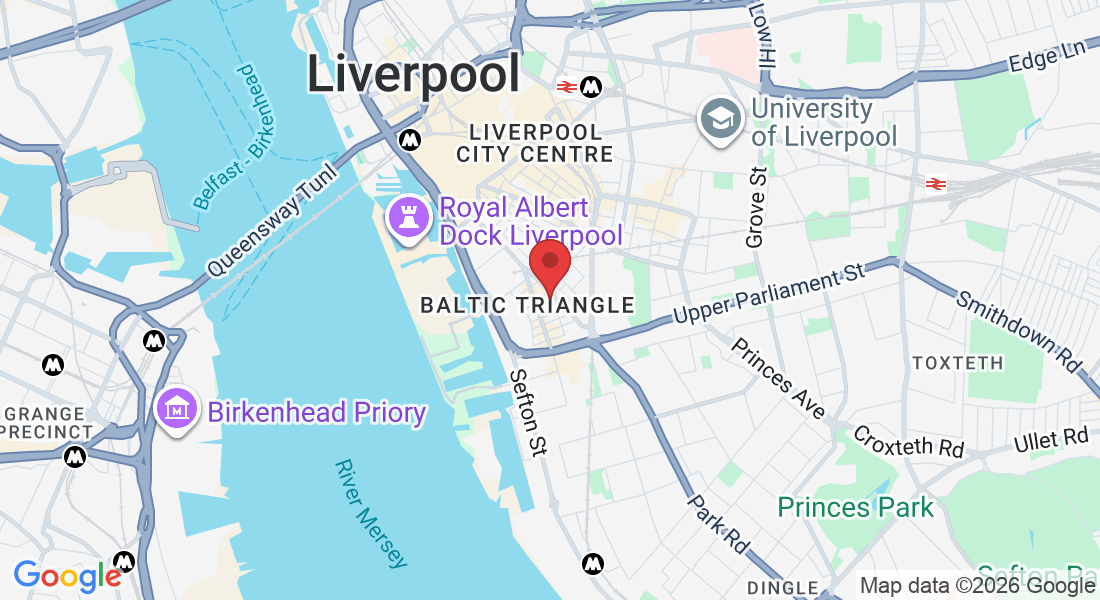
We are based at 54 St James Street Liverpool L1 0AB
Telephone: 0151 706 8268
Email: [email protected]
Ashton Shaw Specialist Psychology Services
Passionate about Your Wellbeing
All Rights Reserved. ©